Film and TV drama
Sound mixer
Also known as: Sound recordist
What does a sound mixer do?
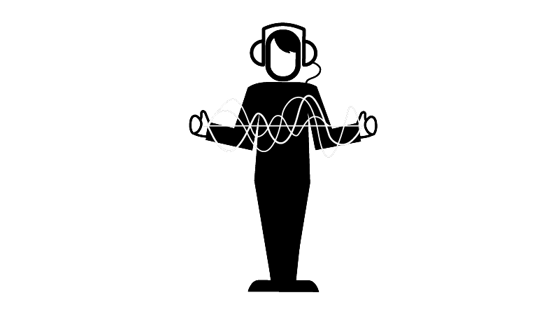
Sound mixers head up the department responsible for all the sound recorded during filming. This is predominantly dialogue but can include sound effects and atmosphere.
Before shooting starts, they meet with the producer and director to discuss the best method of capturing sound alongside the director’s shooting style. They visit locations to check for potential sound problems, like passing trains or road noise.
During filming, sound mixers ensure audio from radio and boom microphones is recorded at a good level for every take. If they flag up a problem, the director decides whether to do another take or correct it in post-production.
Quite a lot of sound on a film or TV drama is added in the edit. Speech is often corrected through ADR (automated dialogue replacement) a way of re-recording in a studio.
Most film sets are challenging environments for mixers. Costumes rustle. Generators hum and cameras point in places where a microphone needs to be. Sound mixers solve the problems, often under pressure. They work on a freelance basis.
Watch
- What's in your kit? With Tom Williams AMPS, Sound Mixer
- How to get into the sound mixing for film & TV industry
- Behind The Scene : ADOLESCENCE with Kiff McManus, Rob Entwistle & Kyle Pickford
What’s a sound mixer good at?
- Hearing: be able to hear precisely and to concentrate on sound in a distracting environment
- Understanding sound: know how it moves, how we hear, how sound can be manipulated and distorted
- Knowledge of equipment: understand electronics, recording, playback and editing gear
- Attention to detail: be able to listen to and manipulate tiny sounds, keep accurate and precise records
- Film production: know how sound can tell a story, understand the requirements of other departments, including camera, rigging, art, wardrobe and hair and make-up
- Communication: be able to listen to the director, give instructions to other members of the team, persuade other departments of the importance of the needs of the sound department and share decisions made while under pressure
Who does a sound mixer work with?
A boom is an extendable arm on which a microphone can be mounted. They are designed to pick up the sound without appearing in the shot. Boom operators are responsible for operating booms as well as placing radio or clip microphones to capture the best quality dialogue and sound effects. They must carefully note all planned camera movements and lighting requirements to make sure the microphone is always hidden.
Sound assistants begin work on the first day of shooting and help unload, check and set up sound equipment. They find and stop unwanted noise (including laying carpets) and check batteries for the sound crew. They may help attach clip microphones, negotiate cables on the studio floor and ensure sound rushes are correctly filed at the end of the day. Approximately three or four years as a sound junior or trainee is advised before moving into this role.
See separate profile: sound trainee
How do I become a sound mixer?
A good route to becoming a sound mixer is to start as a trainee and work your way up through the roles outlined above. Go to sound trainee for detail on how to do this.
At school or college:
To go to university for a sound-related course, you might want to study A-levels or Highers in maths, physics and music.
If want to go straight into a job or apprenticeship, then the following Level 3 vocational qualifications are relevant:
- BTEC National Diploma in Music
- BTEC National Diploma in Sound Production
- OCR Technical Diploma in Digital Media (Moving Image & Audio Production)
- UAL Diploma/Extended Diploma in Music Performance and Production
- T level Media, Broadcast and Production
Get a degree:
It’s not necessary to have a degree, but you might want one in sound engineering or music technology. Have a look at ScreenSkills’ list of recommended courses in film and TV. We recognise courses with our ScreenSkills Select award where they offer training in the relevant software, dedicated time to building a portfolio and have strong links with the film and TV industries.
Get an apprenticeship:
Apprenticeships are jobs with training, so they’re a great opportunity to earn while you learn. However, it can be challenging to find jobs as an apprentice with production companies. Although there is now a Creative industries production technician apprenticeship standard. You might be able to find a job through that standard with an employer in another sector, such as the theatre. Think about taking that job, learning the core skills of sound and transferring those skills into film and TV drama at a later point.
Before taking any apprenticeship, check what you’ll be learning with your prospective employer and college, so you can be sure it will be giving you the skills you want. Check out What’s an apprenticeship? to learn more about apprenticeships and find an apprenticeship to learn how to find one in your region, or approach companies directly. Go to ScreenSkills information on apprenticeships for the main apprenticeship schemes in film and television.
Build a portfolio:
Create work that you can show off to employers. This is essential. Go to build your sound portfolio to learn how.
Take a short course:
Take the National Film and Television School’s course in Location Sound Recording. Go to the list of training courses recommended by ScreenSkills and search for "sound".
Meet people in the industry:
Go to ScreenSkills’ events, follow your local film office and any local community arts and media organisations and attend their events. Go to how to network well for some tips.
Network online:
Create a LinkedIn profile. See if there’s a Facebook page or other social media group for people making films or videos in your area. Join it and take part. Create a ScreenSkills profile.
Explore ScreenSkills Resources:
ScreenSkills careers information:
The your career hub has a wealth of resources designed to help you start or progress your career.
ScreenSkills e-learning:
ScreenSkills has a suite of free e-learning modules for those who are over 18 which can improve your knowledge. The ScreenSkills Passport modules also prepare you as they are essential for some production roles. Some modules are available for those under 18. For anyone wanting advice about first steps, the Getting into the screen industries modules are very useful.
ScreenSkills skills checklists:
If you would like more detail about the tasks, responsibilities and skills required for many key roles in film and TV drama, children’s TV and unscripted TV you can look at our skills checklists.
You might also be interested in...
Being a sound recordist in unscripted TV. There are also openings in commercials and corporate and music videos. Or you might want to be a sound designer in post-production.