Animation
Junior compositor
Also known as: Junior compositing artist
What does a junior compositor do?
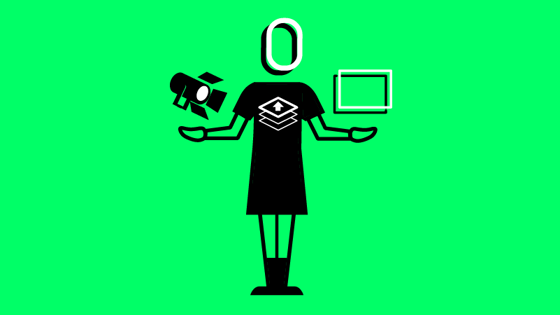
Some studios have positions as junior compositors. They help compositors by doing the simpler parts of the job, sometimes under supervision. They might match colours or add in shadows or help with rendering and ensuring the quality of the rendered assets.
They work closely with the compositor to help create the final image of a frame, shot or sequence. Together, they take different digital elements like the animations, background plates, graphics and special effects (SFX) and assemble them to make a believable picture.
Compositors enhance the lighting, create convincing shadows and add motion blur where required, and as a consequence, in some studios, the junior compositor role is sometimes combined with a junior lighting artist role. Junior compositors may also help any of the artists or technical directors in the production department.
Watch and read
What's a junior compositor good at?
- Art: have a good eye, recognise what makes an image look good in terms of lighting effects, colour, composition and perspective
- Attention to detail: be able to scrutinise the media and learn to work on compositions until they appear cohesive and consistent
- Knowledge of the animation production pipeline: have a basic understanding of the computer-generated animation process
- Knowledge of compositing programs: know something about one or more of the relevant programs such as After Effects, Blackmagic Fusion, Maya, Nuke and Photoshop
Tools of the trade
These are some of the tools used by professionals.
- Image editing software: Adobe Photoshop
- Compositing and digital painting software: Adobe After Effects, Blackmagic Fusion, Maya, Mental Ray, Nuke and RenderMan
You can learn compositing using free software. Go to Build your animation portfolio for a list of what’s available.
Who does a junior compositor work with?
Junior compositors may work with the artists that create all the different elements (also known as ‘art assets’ of an animation). They may also work closely with the lighting artists, as lighting forms an important part of an animated film.
How do I become a junior compositor?
It takes many years working in the animation industry to become a compositor. However, a junior compositor role will give you the opportunity to develop into a more senior position. You might get into a junior compositor role straight after college or university or you might start in a related role, such as a roto artist or modeller, and work your way into a compositor role from there.
At school or college:
You can take A-levels or Highers in fine art, art and design, graphic design, or film studies. Or you might want to take a level 3 vocational qualification in one of those subjects. Look at what your local college offers such as:
- OCR Technical Diploma in Digital Media (Moving Image and Audio Production)
- UAL Diploma/Extended Diploma in Creative Media Production and Technology
- T level Media, Broadcast and Production
- UAL Applied General Diploma in Art and Design
- UAL Diploma/Extended Diploma in Art and Design
- OCR Cambridge Technical Diploma in Art and Design (3D Design)
- OCR Cambridge Technical Diploma in Art and Design (Graphic Design)
- OCR Cambridge Technical Diploma in Art and Design (Photography)
- T level Craft and Design
Get an apprenticeship:
An apprenticeship is a job with training, so it’s a great opportunity to earn as you learn. See if you can find an apprenticeship as a junior 2D artist or 3D artist. Even if you can’t find a role in animation, if you keep up your passion for the industry, you might be able to transfer your skills into animation at a later point. Check out What’s an apprenticeship? to learn more about apprenticeships and Find an apprenticeship to learn how to find one in your region, or approach companies directly.
Get a degree:
A degree in an art-related subject such as animation, design, illustration, painting, drawing, photography or computer animation is a good basis for a career as a compositor. Have a look at ScreenSkills’ list of recommended courses and select one in animation, VFX or photography. We recognise courses with our ScreenSkills Select award where they offer training in the relevant software, dedicate time to building a portfolio and have strong links with the animation industry.
Build a portfolio:
Learn animation and video editing software and start creating work that you can show to admissions tutors or employers. This is essential. Go to Build your animation portfolio to learn how.
Take a short course:
Hone your skills in animation by taking a specialist course. Go to the list of training courses recommended by ScreenSkills and see if there is one that will improve your skills.
Search for jobs:
Research animation companies that you’d like to work for. Animation UK has a directory of animation companies. Go to their websites and check if they are advertising for junior compositor roles. You can also send in a speculative CV and ask employers to keep it on file so they can consider you if any suitable jobs come up. Search job websites for lead compositor or compositor roles and apply for positions.
Meet people in the industry:
Go to ScreenSkills’ events, follow your local film office and get to know professionals in the animation industry by attending events. Meet with them and ask questions about their work while demonstrating interest in and knowledge of the industry. Offer to provide them with your professional contact details and try to stay in touch with them. Go to how to network well to learn how to do this.
Network online:
Create a LinkedIn profile. See if there’s a Facebook page or other social media group for people making films or videos in your area. Join it and take part. Create a ScreenSkills profile.
Explore ScreenSkills Resources:
ScreenSkills careers information:
The your career hub has a wealth of resources designed to help you start or progress your career.
ScreenSkills e-learning:
ScreenSkills has a suite of free e-learning modules for those who are over 18 which can improve your knowledge. The ScreenSkills Passport modules also prepare you as they are essential for some production roles. Some modules are available for those under 18. For anyone wanting advice about first steps, the Getting into the screen industries modules are very useful.
ScreenSkills skills checklists:
If you would like more detail about the tasks, responsibilities and skills required for many key roles in film and TV drama, children’s TV and unscripted TV you can look at our skills checklists.
You might also be interested in...
Being an animator or being an editor in the film and TV industry. You might want to work as a compositor or a compositing supervisor in VFX too.
Further resources
- CG Spectrum – Free Resources
- Bloop Animation – Video Tutorials
- Cartoon Brew
- Skwigly Online Animation Magazine
- ScreenSkills resources directory